
Case study: how a Spanish urban furniture brand replaced 60% of virgin plastic
Inside an 18-month project that swapped virgin HDPE for recycled PolyAl across an entire bench and planter range.
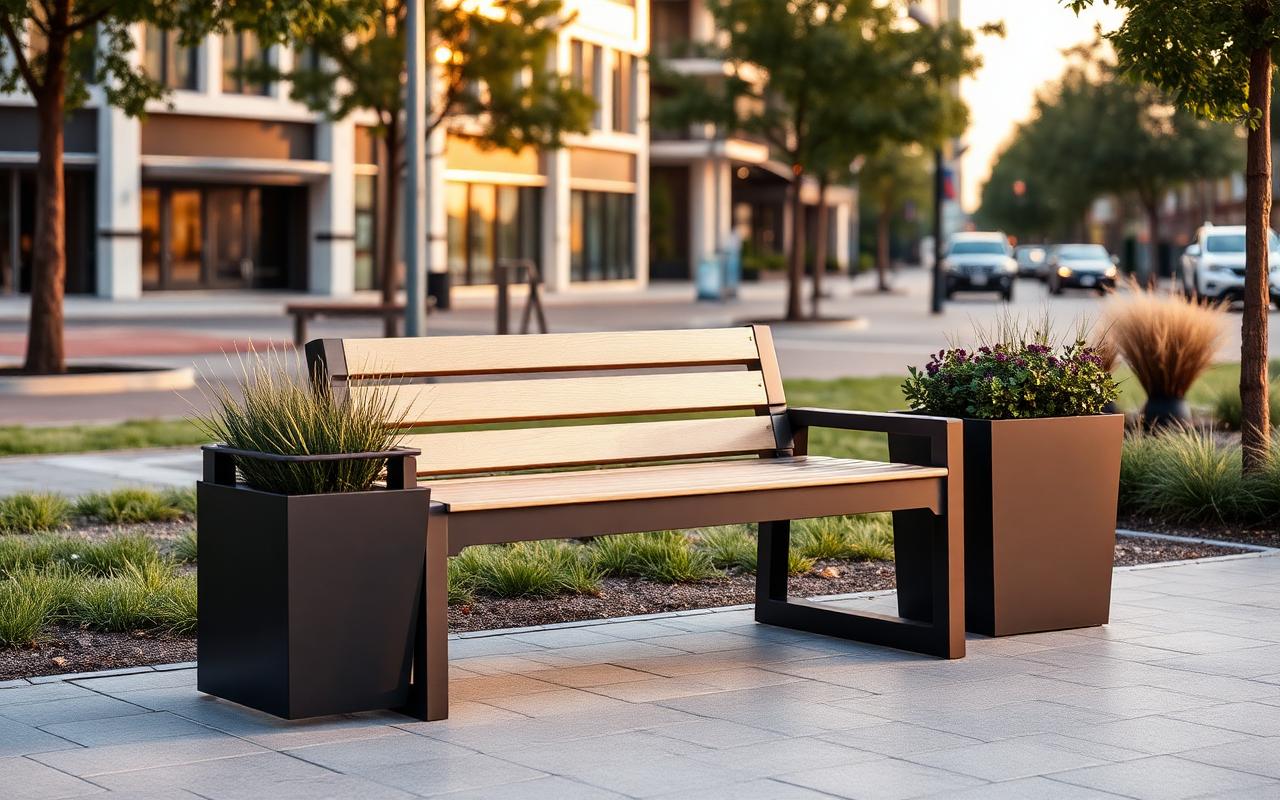
Names redacted at the customer's request, but the numbers are real.
The starting point
A southern-European urban furniture manufacturer producing 240 t/year of injection-moulded benches, planters and litter bins. 100% virgin HDPE feedstock. ESG pressure from municipal customers asking for recycled-content declarations on every tender.
The trial
We shipped a 5-tonne sample batch in mid-2024. The first injection trials needed two parameter passes — slightly higher melt temperature, slower fill — but produced parts that passed the customer's drop-test and aesthetic spec on attempt three.
The rollout
Over 14 months, the manufacturer migrated their full bench and planter range to a 60/40 PolyAl/virgin blend. Litter bins stayed virgin (regulatory food-contact concerns at the time).
The results
- 144 t/year of virgin HDPE displaced
- ~230 t CO₂ avoided per year
- Two municipal tenders won on recycled-content scoring
- Production cost: net flat (PolyAl costs less than virgin, offsetting the slight cycle-time increase)
What they would do differently
Start with the parts where the recycled-content story is strongest in tenders, not the easiest parts to mould. The brand value of "made from beverage cartons" was bigger than expected.