
Insights from circular manufacturing
Thinking on materials, sustainability and the industries that build with us.
New here? Start with What is PolyAl? → or see the complete PolyAl reference →
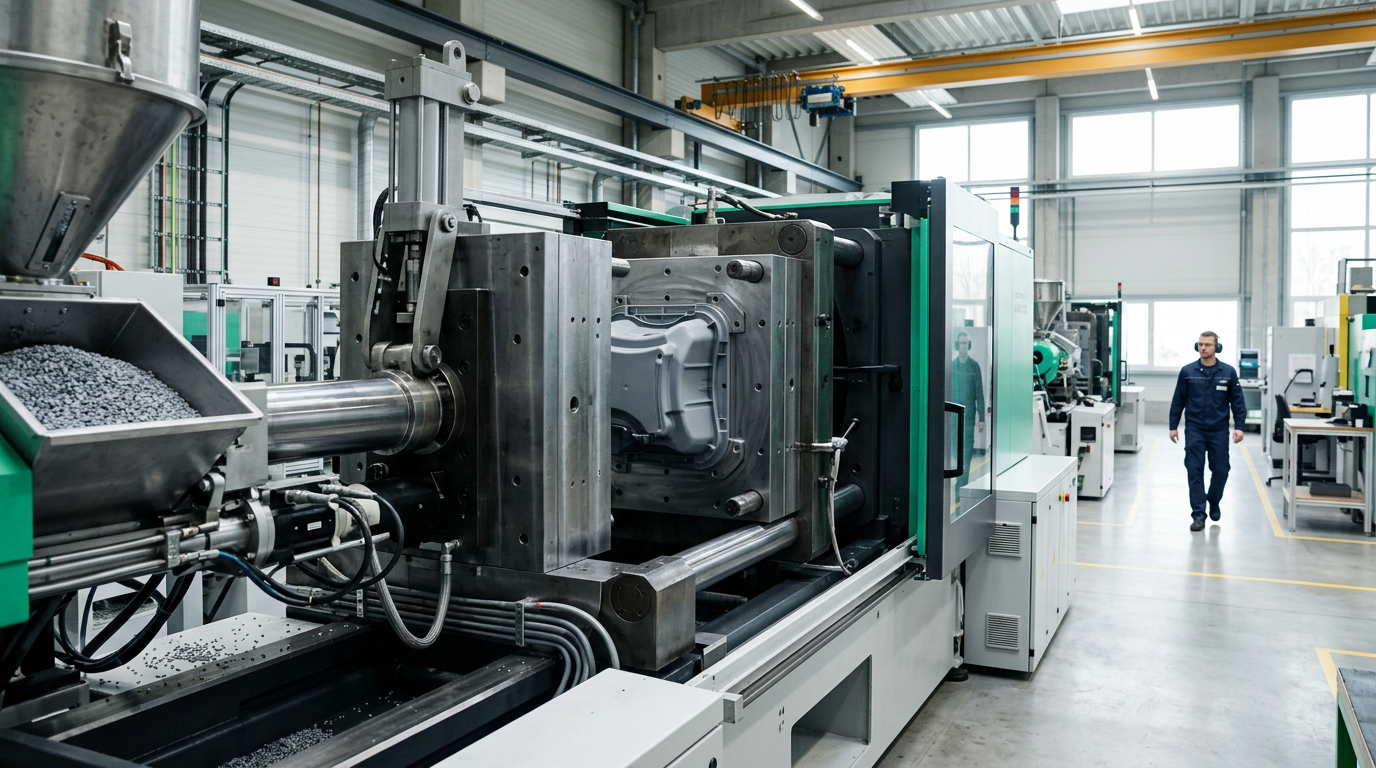
Injection moulding with recycled PolyAl: a process engineer's playbook
Screw geometry, barrel temperatures, holding pressure, mould venting and cycle-time targets when running PolyAl pellets in place of virgin HDPE.
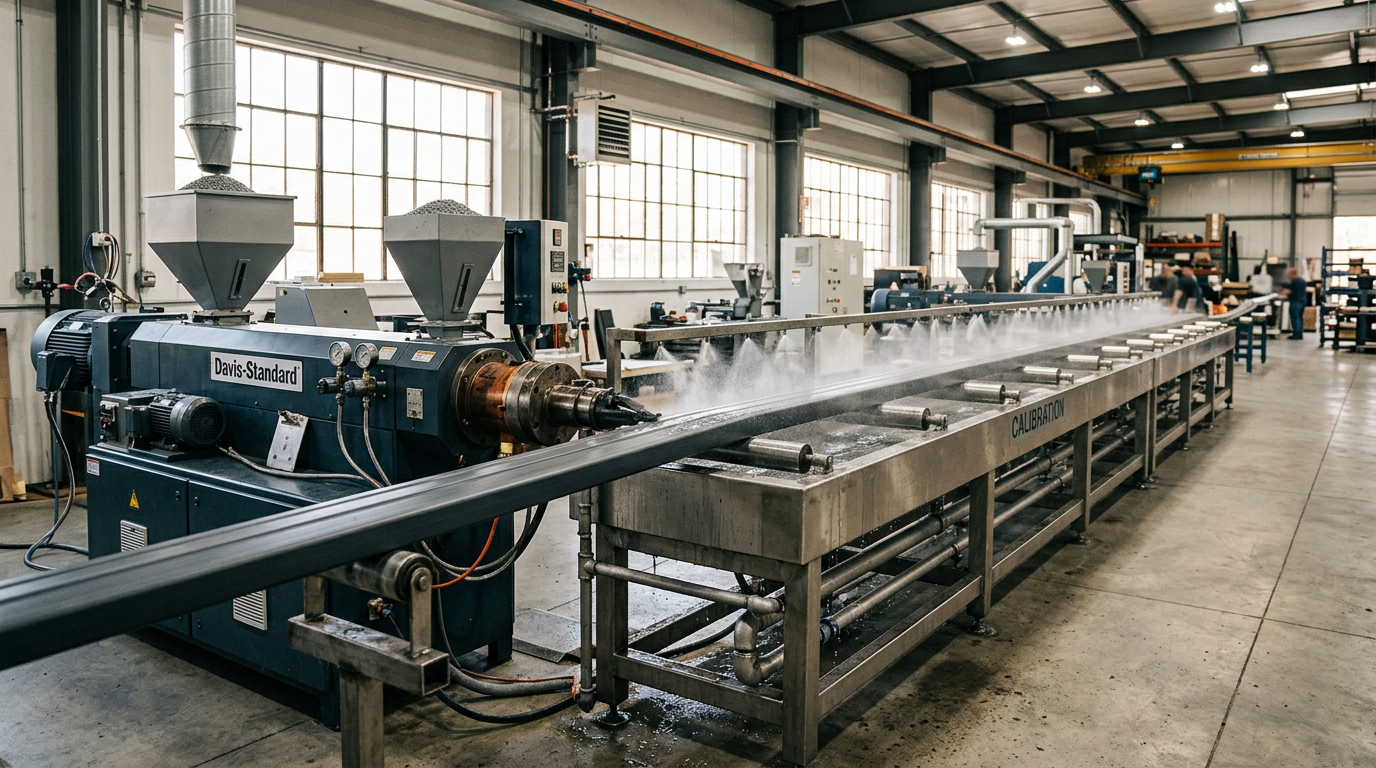
Profile extrusion with PolyAl: dies, calibration and line speed
How to dial-in single-screw extrusion lines for decking, fencing and technical profiles using recycled PolyAl pellets.
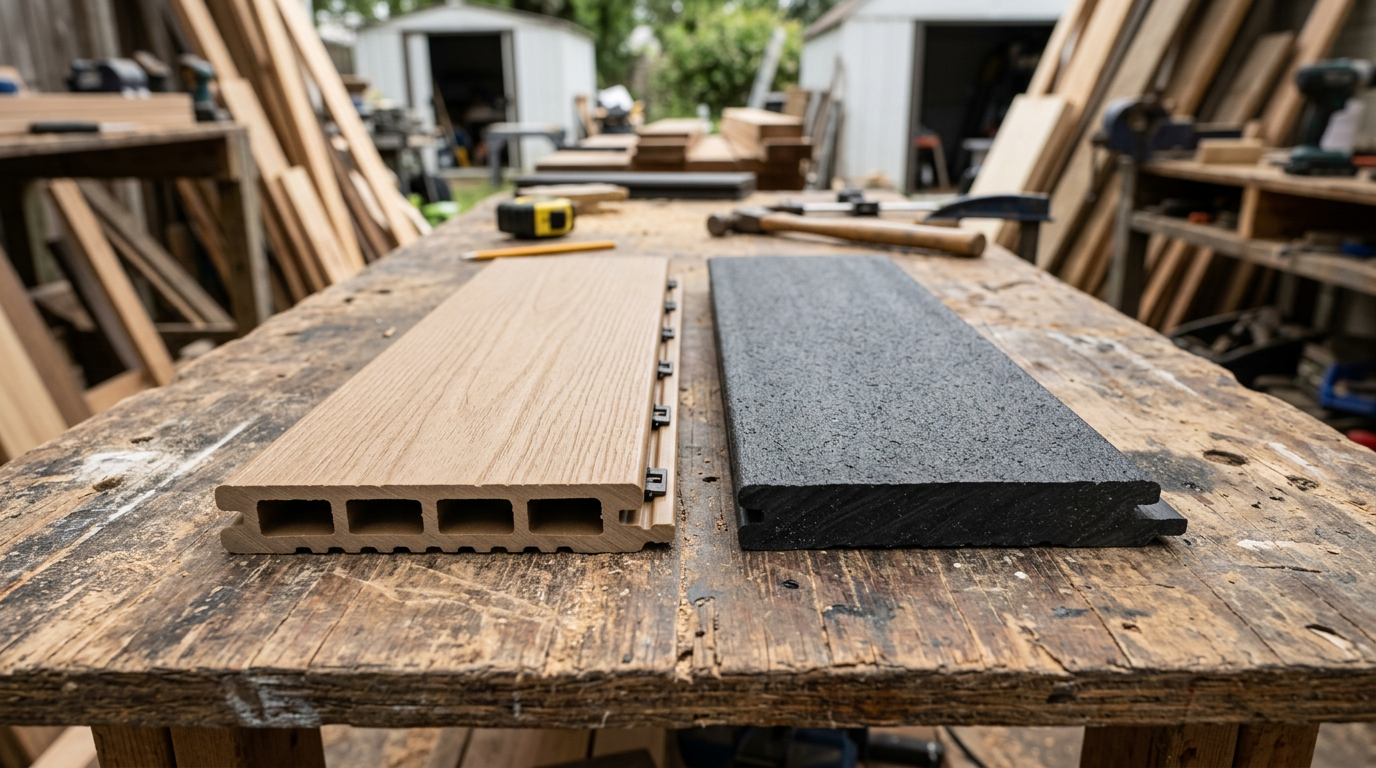
PolyAl decking vs Wood-Plastic Composite (WPC): a side-by-side comparison
Mechanical, thermal, environmental and cost comparison between PolyAl-based decking boards and traditional WPC.

How long does PolyAl last outdoors? UV, weathering and 20-year service life
Accelerated weathering data, real-world ageing observations and stabiliser packages for outdoor PolyAl applications.

Rotational moulding with PolyAl: tanks, planters and large hollow parts
What works, what doesn't, and the powder-grade vs micropellet trade-off when rotomoulding recycled PolyAl.

Colouring PolyAl: masterbatch dosing, pigments and the speckle question
Why charcoal is the easy default and how to push PolyAl into greens, reds, terracotta and even pastels.

PolyAl mechanical properties: test data, standards and how to read a datasheet
ISO 527 tensile, ISO 178 flexural, Charpy impact, Vicat, density and ash — what each number means and which to weight.
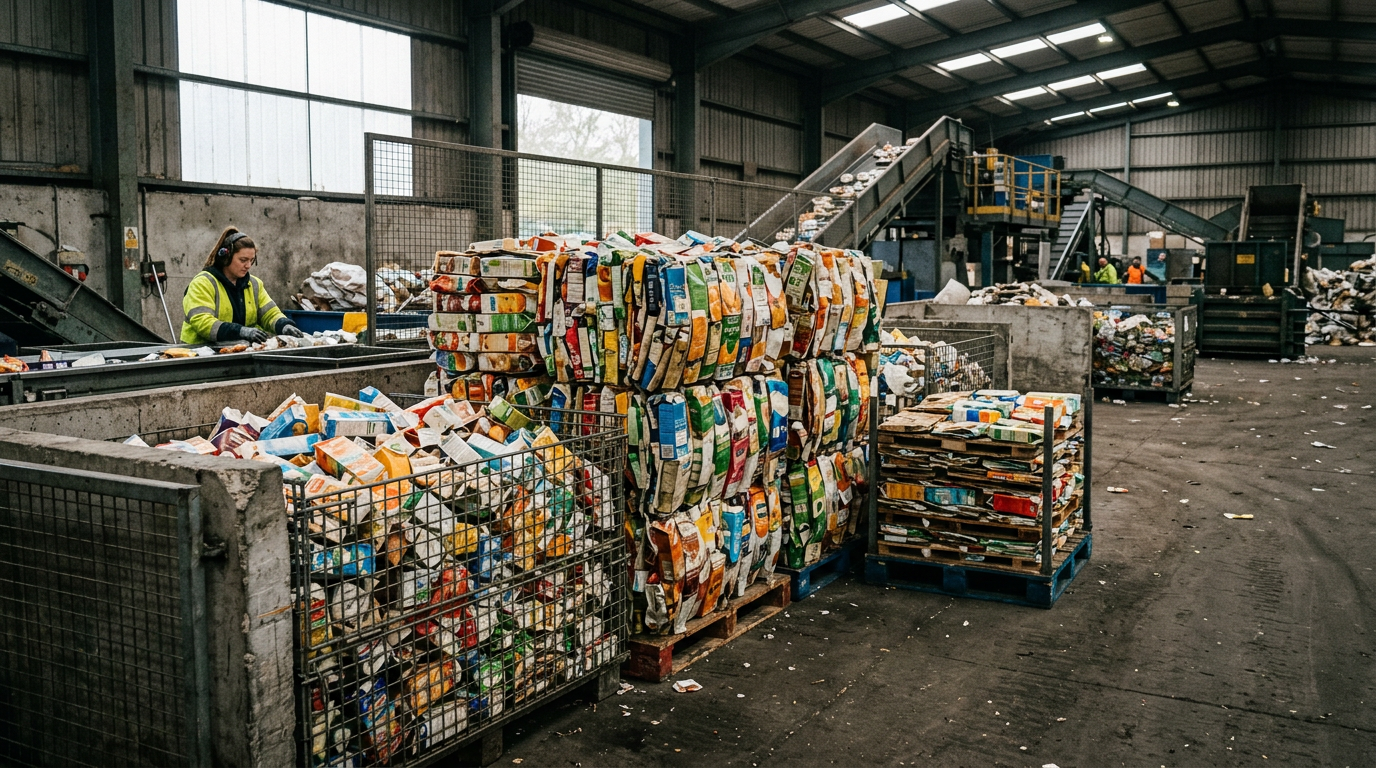
From throwaway to feedstock: a brief history of beverage carton recycling
How aseptic cartons went from a 1950s Swedish invention to a 51% European recycling rate — and the role of PolyAl in the next decade.

Can PolyAl generate carbon credits? Voluntary market, methodologies and pitfalls
An honest look at whether recycling beverage cartons into PolyAl pellets can earn verified carbon credits in 2026.

Total cost of ownership: PolyAl pallets vs wood and virgin plastic
Acquisition price is just the start. Lifetime costs of pooling, repair, hygiene and end-of-life shift the equation toward PolyAl.

Why Spain is the gateway for PolyAl supply to Latin America
Mediterranean ports, EU standards credibility and a Spanish-speaking commercial network make Spain the natural hub for PolyAl shipments to Mexico, Chile, Colombia and Brazil.

PolyAl in marine and aquaculture: pontoons, fenders and floating walkways
Why a polyethylene-aluminium composite is uniquely well-suited to salt water, biofouling resistance and 25-year marine service.

Recycled PolyAl in viticulture: posts, trellis crossarms and clip systems
Why French and Spanish wineries are replacing creosote-treated wood and steel posts with PolyAl extruded profiles.

PolyAl in rail infrastructure: sleepers, cable troughs and acoustic walls
How European rail operators are piloting PolyAl composite sleepers and lineside infrastructure to cut maintenance and carbon.

Stormwater attenuation crates from recycled PolyAl: a circular SuDS option
Modular stormwater storage crates moulded from PolyAl pellets are entering UK and EU SuDS specifications.

EV charger pedestals and cable management in recycled PolyAl
Why charge-point operators are switching pedestal housings, ground anchors and cable floor protectors to PolyAl pellets.

Specifying recycled PolyAl in a municipal tender: a checklist for procurement officers
Exact clauses, certifications and KPIs to include in EU public-procurement documents to favour ISCC PLUS certified recycled PolyAl content.

PolyAl in CSRD reporting: double materiality, ESRS E1 and ESRS E5
How EU companies should treat PolyAl-related procurement and product-design choices in their CSRD double-materiality assessment.

Design for recycling: how beverage cartons can become better PolyAl feedstock
Carton design choices upstream — barriers, inks, closures — directly determine how clean and useful the recovered PolyAl is downstream.

Defect troubleshooting in PolyAl parts: a quality engineer's field guide
Visual identification of common defects in injection-moulded and extruded PolyAl parts, root causes and corrective actions.
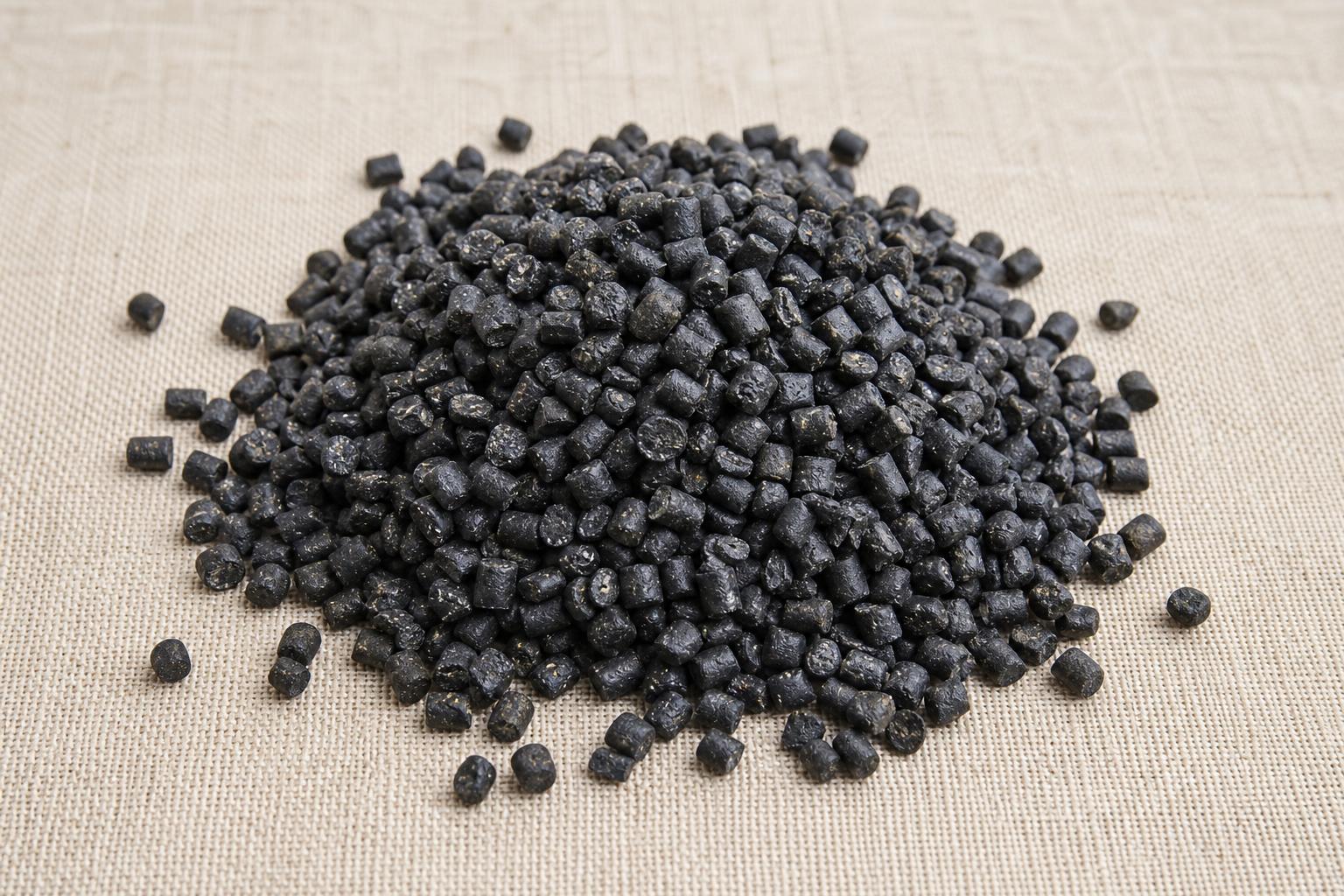
What is PolyAl? The complete reference guide (2026)
PolyAl is the polyethylene-aluminium fraction recovered from used beverage cartons after paper extraction. Here is everything industrial buyers, recyclers and regulators need to know.

PolyAl recycling technologies compared: Palurec, Plastigram, Recon Polymers, GetPolyal
Four operators dominate European PolyAl recycling — and they take four very different technical paths. Here is how their processes, outputs and end-uses compare.
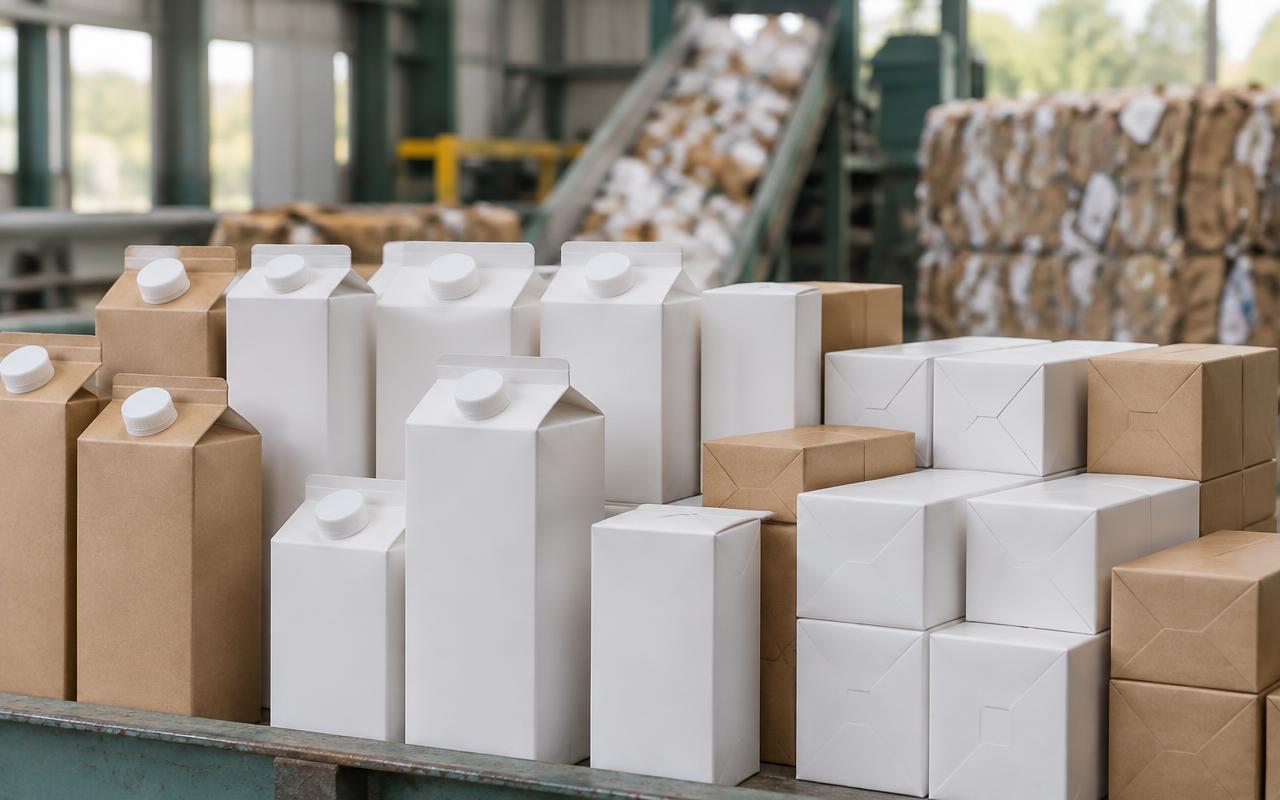
Selective dissolution-precipitation: the lab method that recovers near-pure PE from cartons
Beyond mechanical washing and pyrolysis, a third route exists for PolyAl recycling — solvent-based selective dissolution. Here is how it works and where it fits in the industry.

European PolyAl recycling capacity in 2026: where we stand, where we're going
The carton industry's €40 million investment, Palurec's expansion, new lines in Italy and Spain — a snapshot of European PolyAl recycling capacity and what 2030 will look like.

PolyAl glossary: every term you need to understand the industry
From aluLDPE to UNE 53925, a single-page glossary of every technical, regulatory and commercial term used in the PolyAl recycling industry.
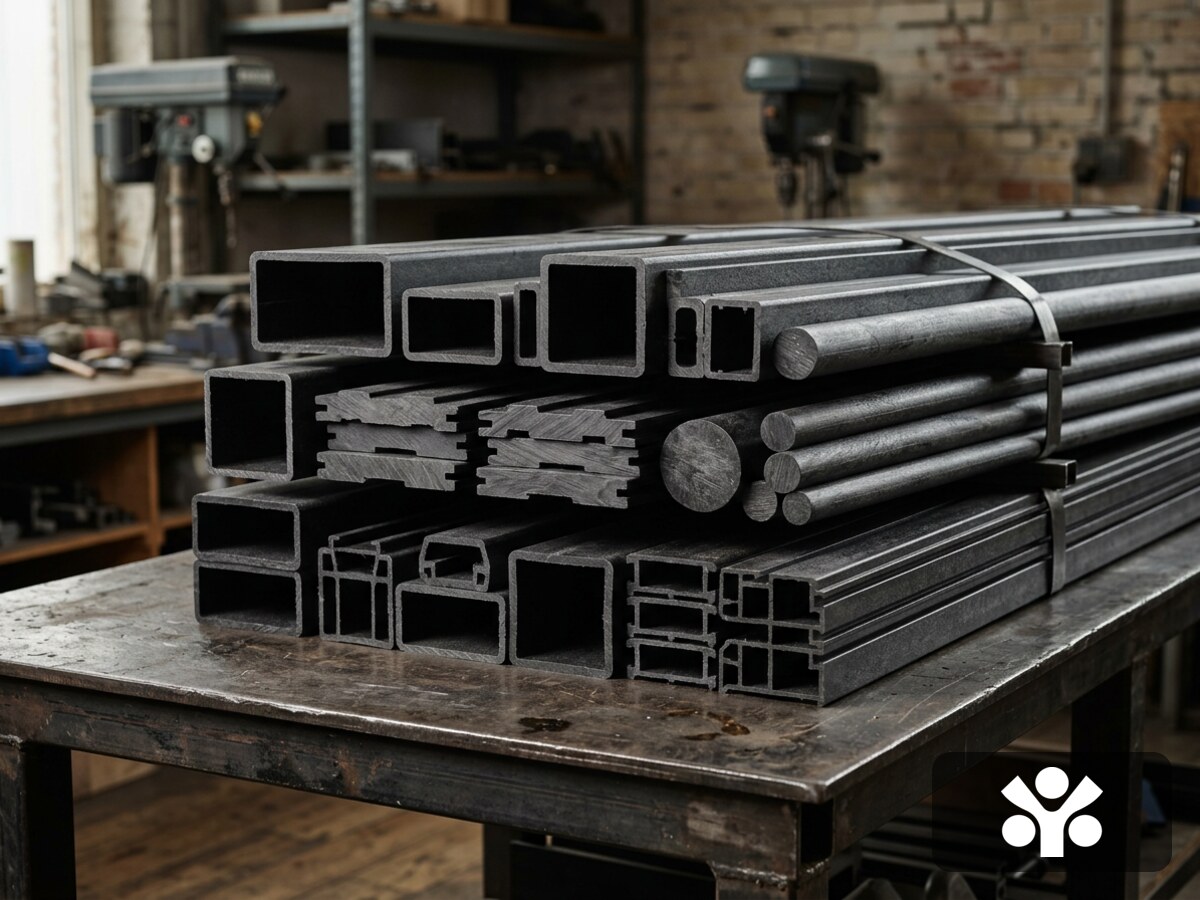
PolyAl, aluLDPE and engineered HDPE compounds: which one fits your part?
Three families of polyethylene-aluminium materials are on the European market today. They look similar on a datasheet but solve different engineering problems.
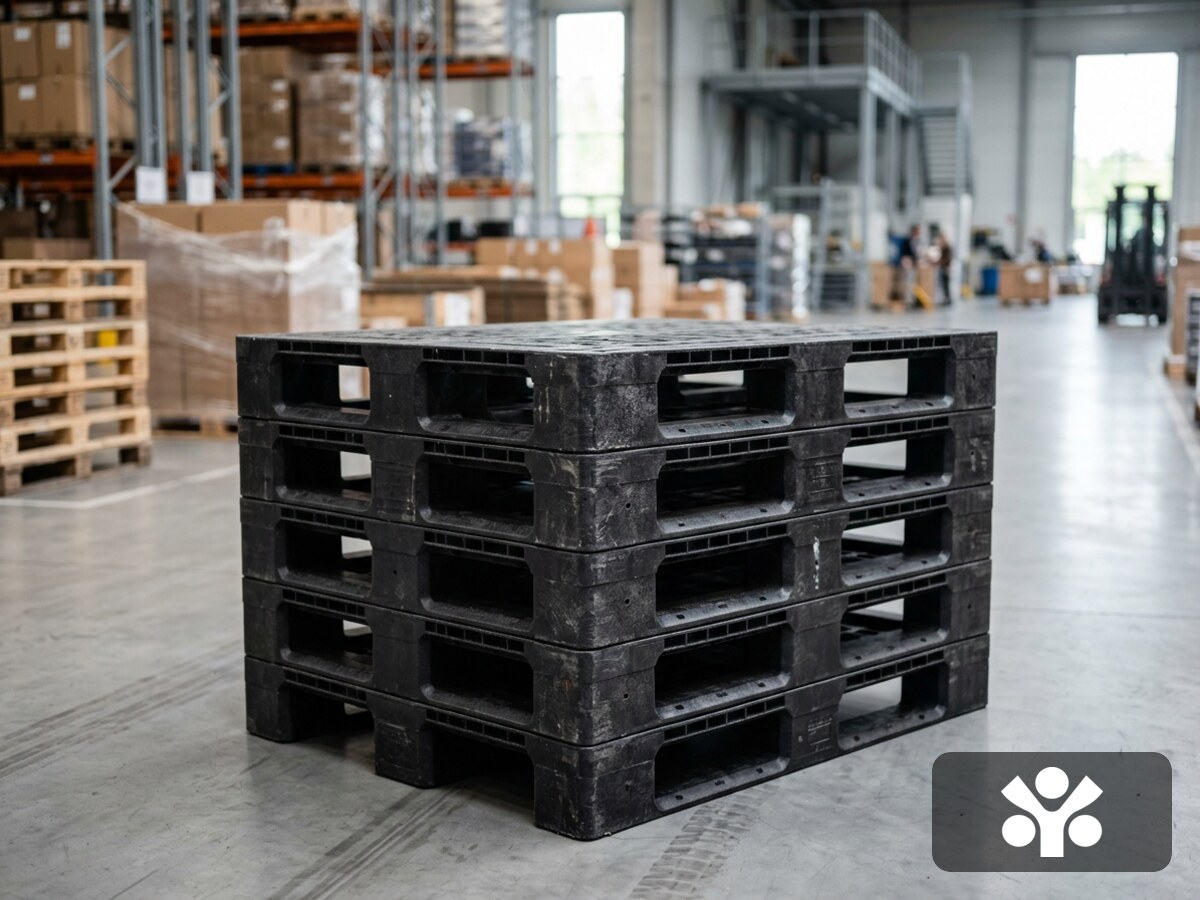
Why recycled PolyAl beats virgin HDPE for industrial pallets
A direct comparison on cost, carbon and mechanical performance for plastic pallet manufacturers.
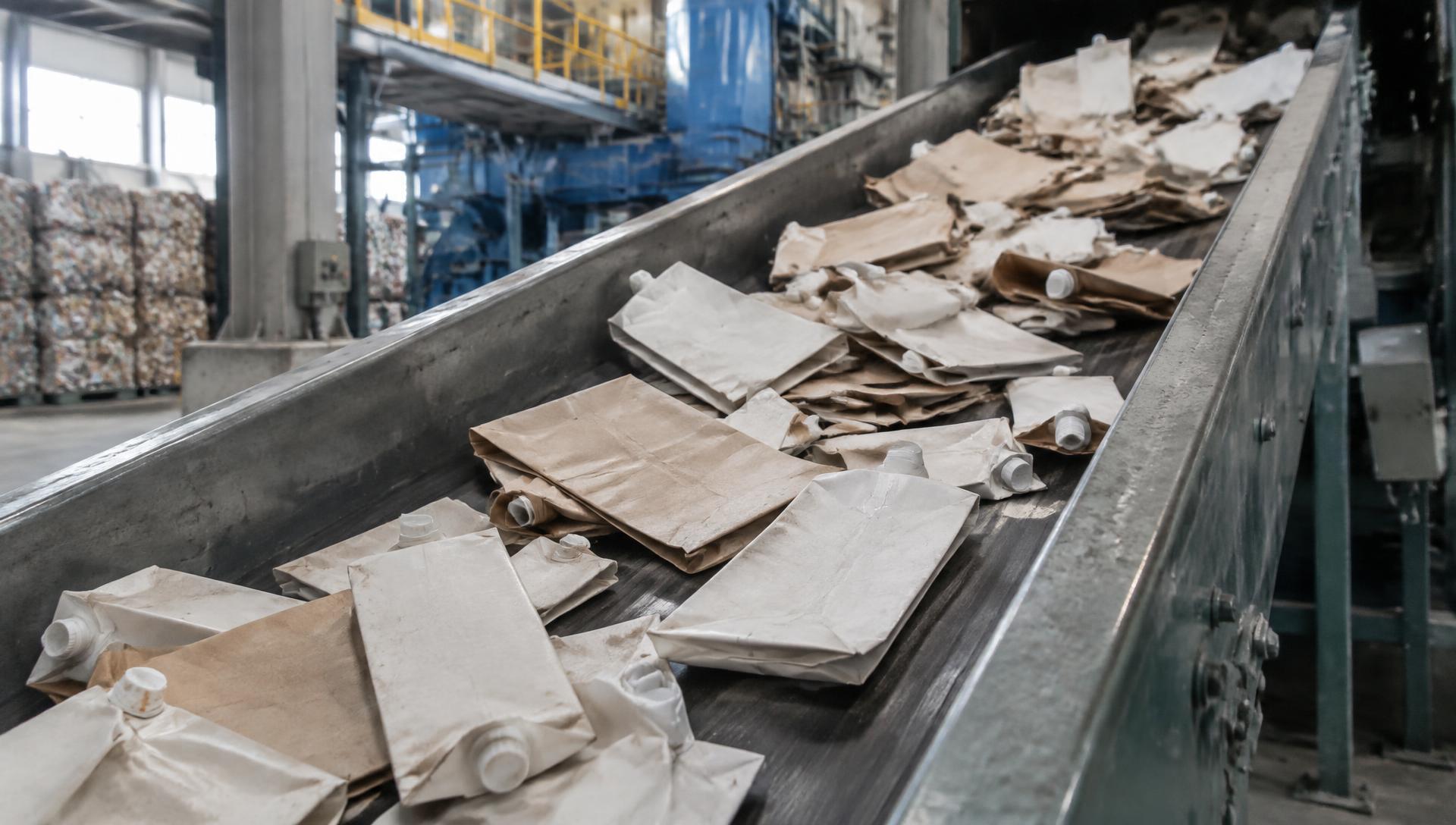
The hidden cost of beverage cartons — and how industry can fix it
950,000 tonnes of cartons consumed yearly in Europe. Only a third gets recycled. The rest is an industrial opportunity.

From waste to value: inside the PolyAl recycling process
How a polylaminated reject becomes a homogeneous, spec-grade pellet ready for industrial moulding.

PPWR is here: what recycled content means for pallet makers
The EU Packaging and Packaging Waste Regulation finally has teeth. Here is what changes for industrial pallet manufacturers.

How recycled PolyAl reduces your Scope 3 emissions
Switching feedstock is the highest-leverage decarbonisation move most plastic processors haven't made yet.

PolyAl vs PP vs PVC: choosing the right material for industrial profiles
A practical decision matrix for extruders weighing recycled feedstocks against established polymers.

Case study: how a Spanish urban furniture brand replaced 60% of virgin plastic
Inside an 18-month project that swapped virgin HDPE for recycled PolyAl across an entire bench and planter range.

Tuning your moulding parameters for recycled PolyAl pellets
Practical guidance from real production runs on how PolyAl behaves on existing injection lines.

10 ESG procurement questions your customers will start asking in 2026
If you sell to large industrial buyers, get ready for these. Here is how recycled PolyAl helps you answer.

The business case for circular economy in plastic processing
Beyond ESG marketing — why moving to recycled feedstock is becoming a margin and risk decision.

Beyond pallets: 5 industrial applications where PolyAl quietly excels
From cable trays to acoustic panels — recycled PolyAl is showing up in places you might not expect.

Getting started with PolyAl: from RFQ to first production batch
A 90-day playbook for switching part of your feedstock to recycled PolyAl pellets without slowing production.

Why per-batch traceability is the new currency in recycled plastics
Buyers no longer trust generic 'recycled content' claims. Here is what they want instead — and how PolyAl delivers it.

Life-cycle assessment of PolyAl: CO₂ footprint vs virgin HDPE
A peer-reviewed view on the cradle-to-gate emissions of PolyAl pellets and what they mean for Scope 3 reporting.

Is PolyAl food-contact safe? EU Regulation 2022/1616 explained
Why PolyAl is currently restricted to non-food-contact applications and what it would take to change that.

PolyAl applications by sector: logistics, construction, urban design
A field guide to where PolyAl pellets are already replacing virgin HDPE in industry — with sector-specific specs.