
Sustainability·8 min read·
Can PolyAl generate carbon credits? Voluntary market, methodologies and pitfalls
An honest look at whether recycling beverage cartons into PolyAl pellets can earn verified carbon credits in 2026.
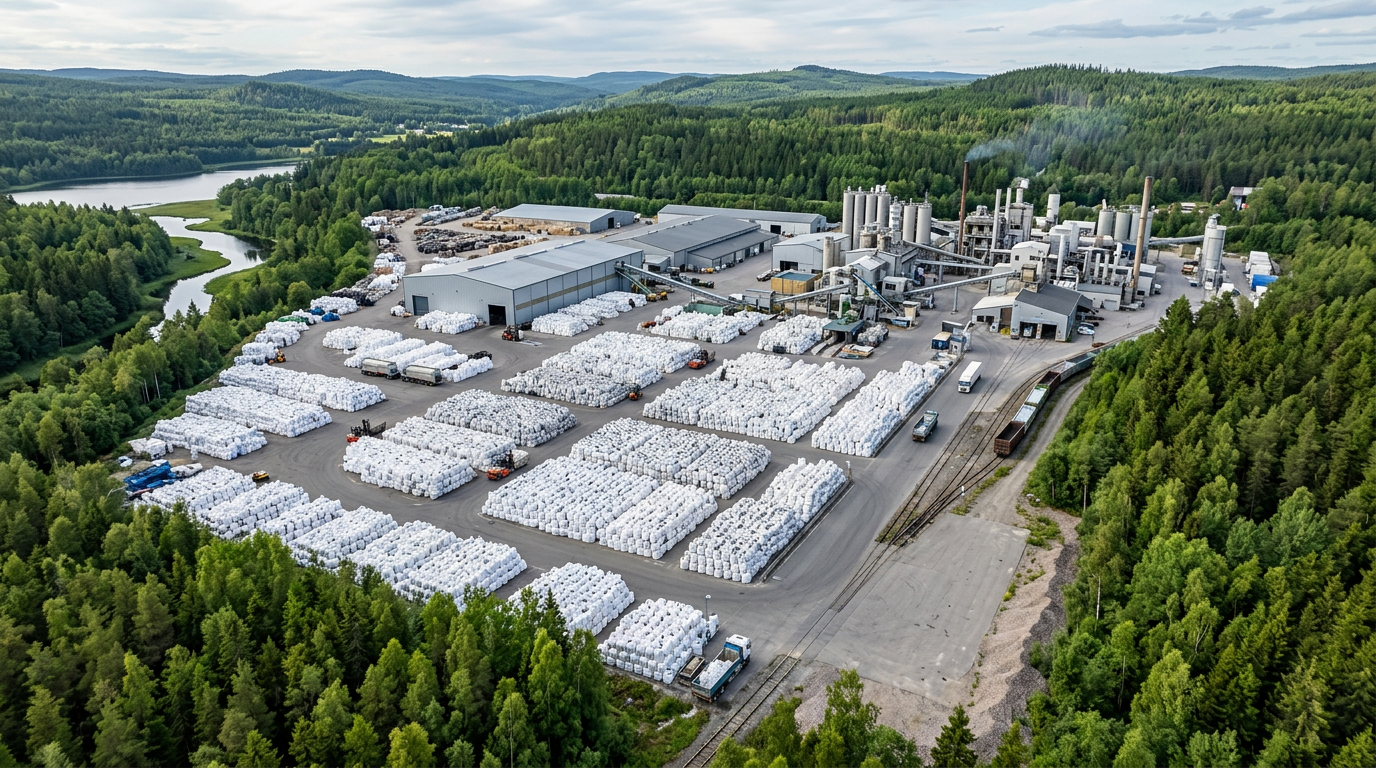
"Can we sell carbon credits for our recycled-content pallets?" is one of the most frequent procurement questions we get. The honest answer is: mostly no, but the avoided emissions are still real and reportable.
What carbon credits actually are
A carbon credit is a verified, third-party-issued certificate that represents 1 tonne of CO₂ removed from the atmosphere or avoided versus a documented baseline. Standards: Verra (VCS), Gold Standard, Plan Vivo, Puro.earth, ICVCM.
Why most recycled-content products don't qualify
- Additionality: the project must not happen without the carbon revenue. Most PolyAl recycling already has a positive business case from material sales — additionality is hard to demonstrate.
- Baseline: the baseline must be clear, conservative and verifiable. For waste streams, baselines are contested.
- Permanence: the carbon must stay out of the atmosphere for 100+ years. Recycled plastics may be incinerated at end-of-life.
- Avoiding double counting: if a buyer reports the avoided emissions in Scope 3, those reductions cannot be sold as credits.
What does qualify (sometimes)
- Avoided landfill methane for organic waste streams (not applicable to PolyAl)
- Avoided incineration of plastics in regions with low alternative recycling infrastructure (a few methodologies allow this for specific projects)
- Chemical recycling of mixed waste plastics with verifiable baselines
What is happening in practice
- Verra approved a methodology for plastic waste reduction in 2023 (VM0051) — limited scope, mostly for collection projects in low-income countries.
- Some PolyAl operators are exploring "plastic credits" (different from carbon credits) under standards like Verra Plastic Waste Reduction Standard.
What buyers should do today
- Stop chasing carbon credits for recycled-content procurement. The accounting risk is high and the credibility is low.
- Do report the avoided emissions in Scope 3 Category 1: this is real, defensible and accepted by CDP, CSRD, SBTi.
- Use the per-batch CoA from your supplier as primary evidence.
Bottom line
PolyAl saves ~1.0–1.4 t CO₂e per tonne replacing virgin HDPE. Book it in your Scope 3 inventory; don't try to monetise it as a tradeable credit.