
Life-cycle assessment of PolyAl: CO₂ footprint vs virgin HDPE
A peer-reviewed view on the cradle-to-gate emissions of PolyAl pellets and what they mean for Scope 3 reporting.
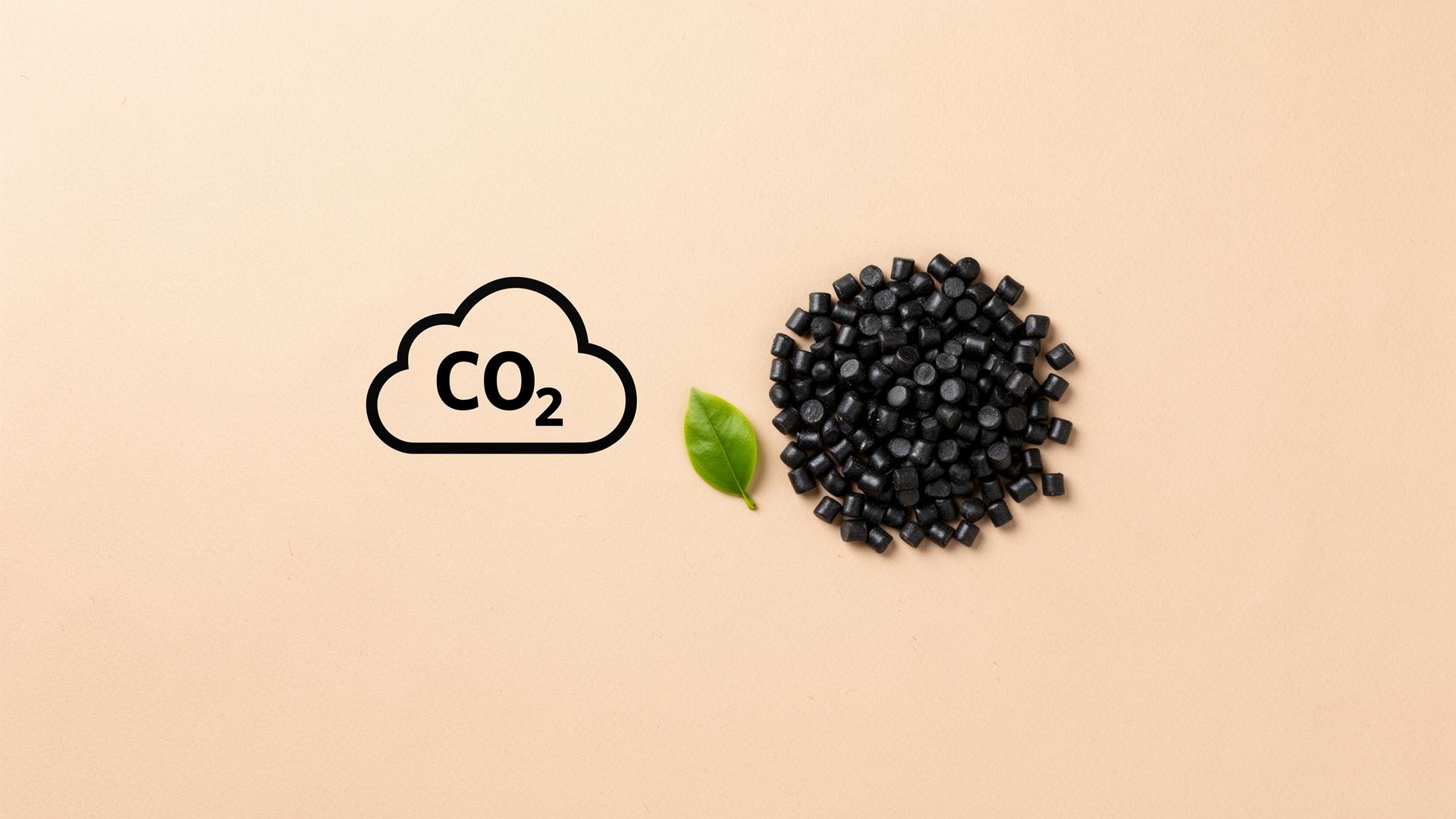
Buyers asking for "low-carbon plastics" want one number: kg CO₂e per kg of pellet. This article explains how PolyAl is assessed, what the typical results look like, and which assumptions matter most.
Cradle-to-gate boundary
A standard LCA for recycled pellets covers: collection of used cartons, transport to the recycler, paper-mill repulping (allocated), washing/drying of the PolyAl reject, compounding into pellets, and packaging into big bags. End-of-life of the new product is excluded (cradle-to-gate).
Typical published values
- Virgin HDPE (Europe, Plastics Europe 2023): ~1.8–2.0 kg CO₂e / kg
- Mechanically recycled HDPE (rHDPE from bottles): ~0.4–0.7 kg CO₂e / kg
- PolyAl (carton reject route): ~0.5–0.9 kg CO₂e / kg, depending on allocation method
Allocation matters: if the paper mill is treated as the primary product line and PolyAl as a co-product, the burden assigned to PolyAl drops. Mass-based allocation (using the ~25% non-fibre mass share) is the most common defensible approach.
What this means for Scope 3
Replacing 1 t of virgin HDPE with 1 t of PolyAl saves ~1.0–1.4 t CO₂e at the gate. Buyers who report under the GHG Protocol can book this against Category 1 (purchased goods and services). The avoided landfill or incineration of the carton reject is an additional system-level benefit but is generally not double-counted in Scope 3.
Sources
- Plastics Europe, *Eco-profiles* (2023)
- ACE (Alliance for Beverage Cartons and the Environment), *2023 European recycling figures*