
Tuning your moulding parameters for recycled PolyAl pellets
Practical guidance from real production runs on how PolyAl behaves on existing injection lines.
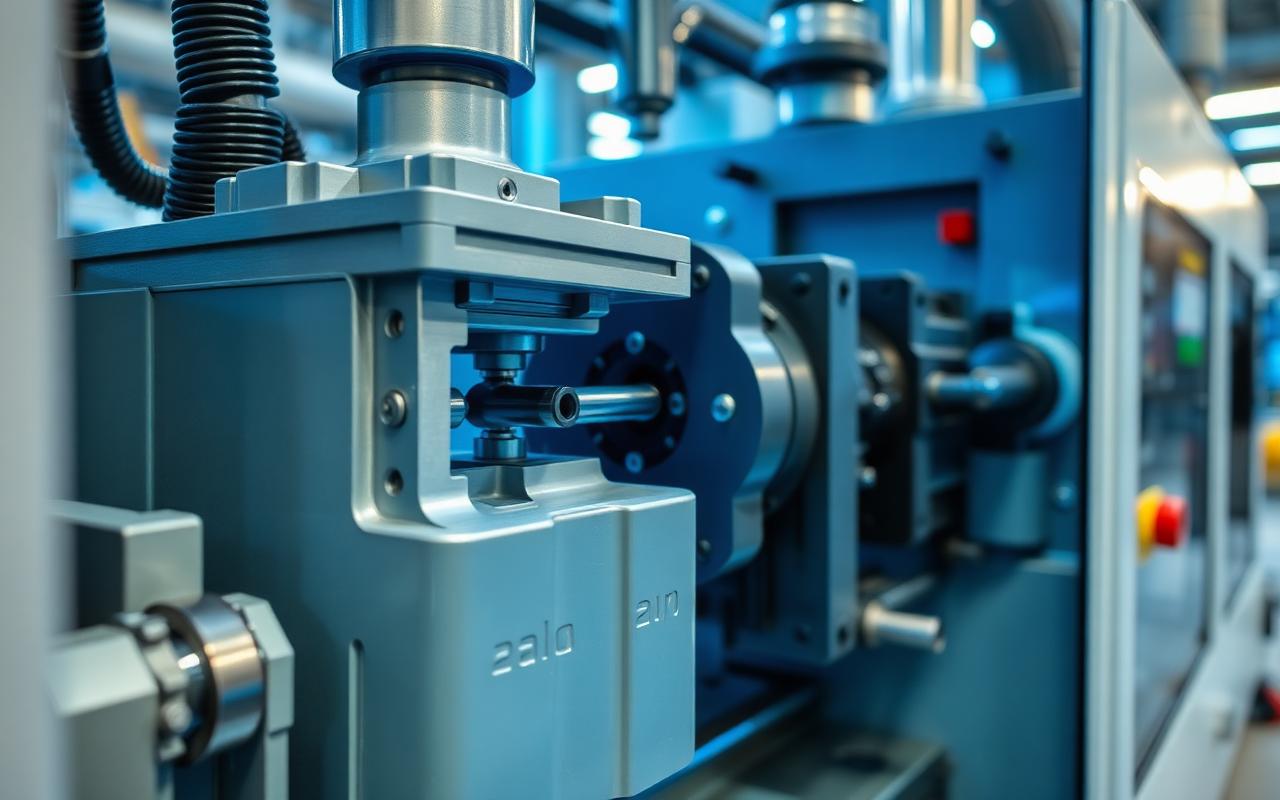
PolyAl is not difficult to mould — but it is not identical to virgin HDPE. Here is what production engineers should expect.
Melt temperature
Run 5–10 °C hotter than your virgin HDPE baseline. The aluminium load shifts the apparent viscosity slightly. Most operators settle around 200–220 °C in the front zone.
Injection speed
Go slower on the fill phase. The mineral filler responds poorly to high shear — you can get visible flow lines at virgin-HDPE speeds. Reduce by 15–20% and quality jumps.
Mould temperature
Unchanged. Standard 30–50 °C works fine.
Cycle time
Expect a 5–10% increase. The slightly higher melt temperature offsets some cooling efficiency. On 30-second cycles, that is 2–3 extra seconds.
Drying
Critical. Pre-dry to <0.05% humidity. PolyAl arrives dry but can pick up moisture in storage. Skip this step and you get splash marks on the surface.
What you don't need to change
- Mould steel, ejector design, gating
- Hot-runner systems
- Colour masterbatches (load up to 3% as usual)
Budget two production days for parameter tuning per part family. After that, PolyAl runs as steady as any well-characterised virgin compound.