
Replace virgin PE/PP. Keep your process.
Swap part of your virgin PE/PP for certified recycled PolyAl pellets: lower raw-material cost, higher documented recycled content, and a drop-in blend that runs on the injection and extrusion lines you already have.
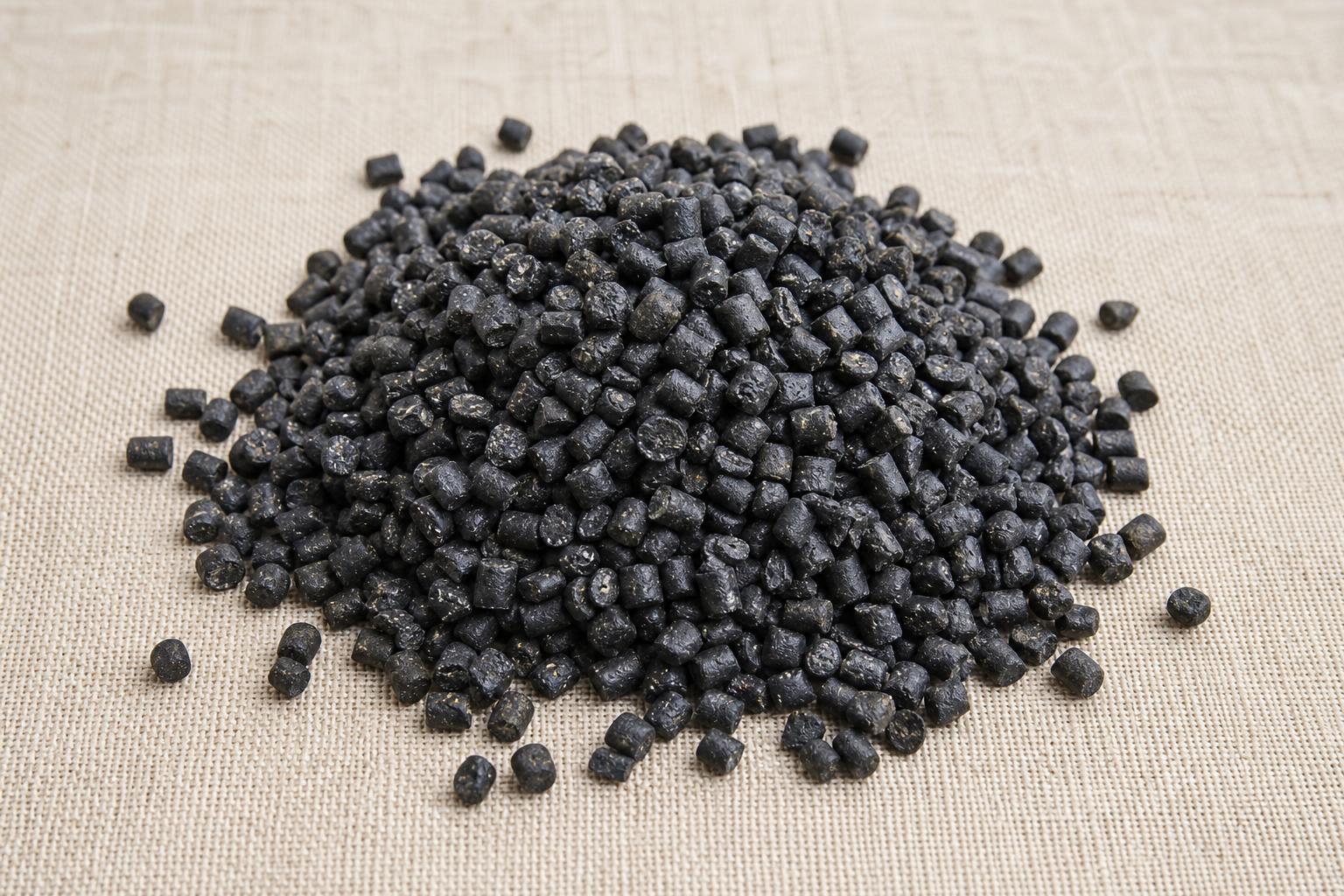
Recycled — but always the same.
Every batch matches the same technical datasheet — consistent grade, consistent MFI, density and colour — with full traceability. Certified UNE 53925:2026. It behaves like a specified product, not variable scrap.
Three reasons moulders swap virgin for PolyAl
Recycled feedstock only works if it lowers your cost, proves your recycled content and runs on your existing line. PolyAl does all three.
Lower raw-material cost
Recycled PolyAl is priced below virgin PE and PP, so every tonne substituted pulls down the average cost of your blend — in homogeneous 60-tonne batches, not spot buys.
Recycled content you can prove
100% post-consumer, certified to UNE 53925:2026, with batch documentation for PPWR recycled-content targets and roughly 1.6 t CO₂e avoided per tonne of virgin resin displaced.
Drop-in, no new equipment
MFI 2–4 g/10 min, density 950–1050 kg/m³: dose it as a percentage of your current mix on your existing injection or extrusion lines. Validate it with a free tonne.
You replace the virgin share, not the performance
Swapping virgin PE/PP for recycled PolyAl is a cost and recycled-content decision, not a downgrade. PolyAl is a single-source, post-consumer polyolefin — not mixed kerbside waste — with a stable composition batch after batch, so the parts you mould keep the mechanical behaviour your customers already approve. The aluminium fraction acts as a reinforcing filler: in rigid hollow parts it adds stiffness and dimensional stability rather than taking it away.
Consistent, verified specification
MFI 2–4 g/10 min and density 950–1050 kg/m³, certified to UNE 53925:2026 and verified by independent laboratory testing on every homogeneous 60-tonne batch — the same input, run after run.
Same process, same cycle
Melt and processing windows match the PE/PP you already run: no new moulds, dryers or extruders, no cycle-time penalty and no reformulation at the 20–40% substitution levels most moulders use.
Durability where it counts
Impact resistance, stiffness and outdoor service life are validated in real production of bins, crates, urban furniture and pallets — applications that spend years outdoors under load.
Only cosmetics change
The visible difference is colour freedom: PolyAl parts come out dark grey with fine metallic specks. In rigid, technical and pigmented parts that is irrelevant — which is exactly why these applications qualify first.
Prove it on your own line: request a free 1-tonne trial, mould your real part and compare the results against your current virgin blend before committing to anything.
Request my free tonneWhere PolyAl already works in production
Rigid, hollow, colour-tolerant parts reach a positive business case fastest. These applications are validated in R&D and in real production runs.
Bins & containers
Waste, recycling and composting containers, litter bins and lids.
Buckets & tubs
Rigid hollow injection parts where colour is functional, not cosmetic.
Crates & totes
Logistics crates, totes and stackable boxes with declared recycled content.
Trays & dunnage
Trays, separators, edge protectors and reusable transport packaging.
Caps & closures
Technical closures and lids in high-volume injection moulding.
Pots & planters
Plant pots, planters and horticultural containers.
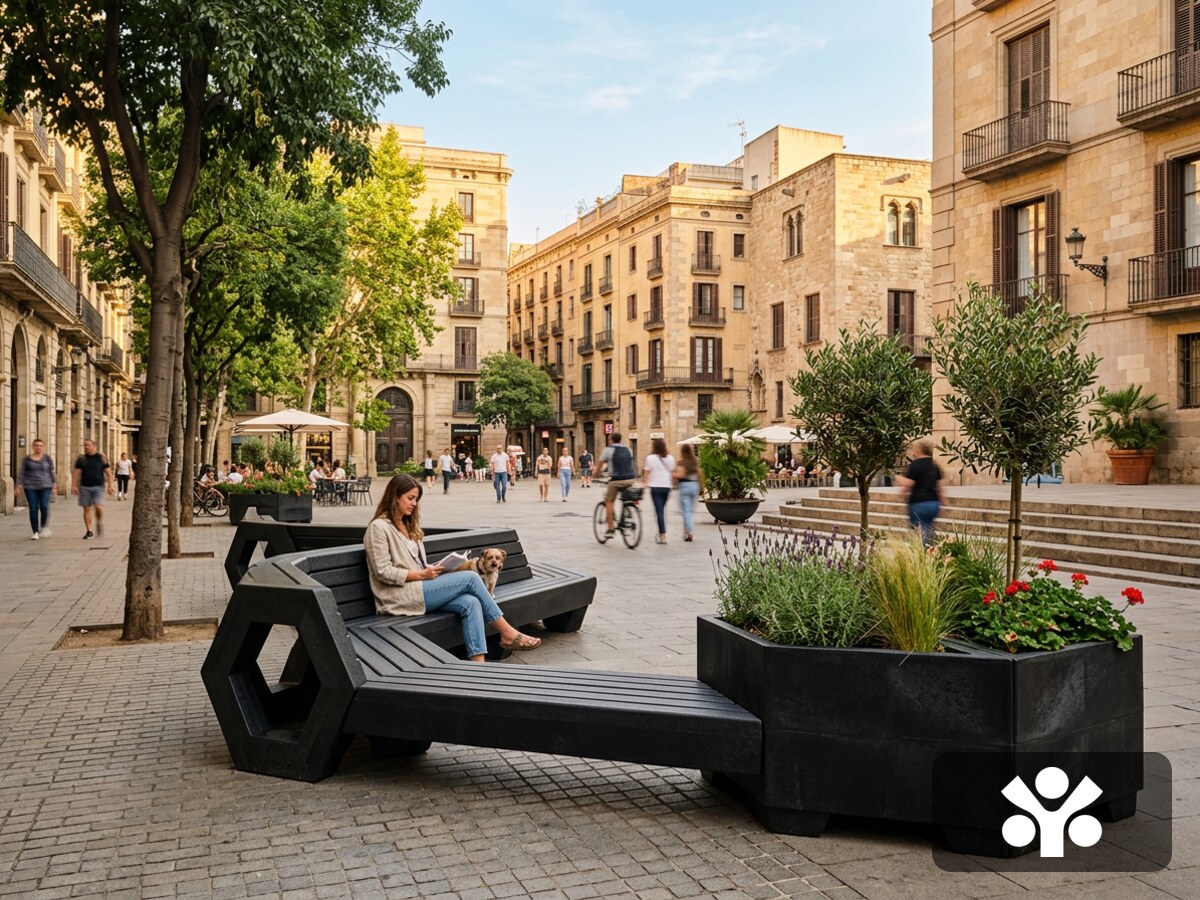
Urban furniture
Benches, posts and street litter bins with long outdoor service life.
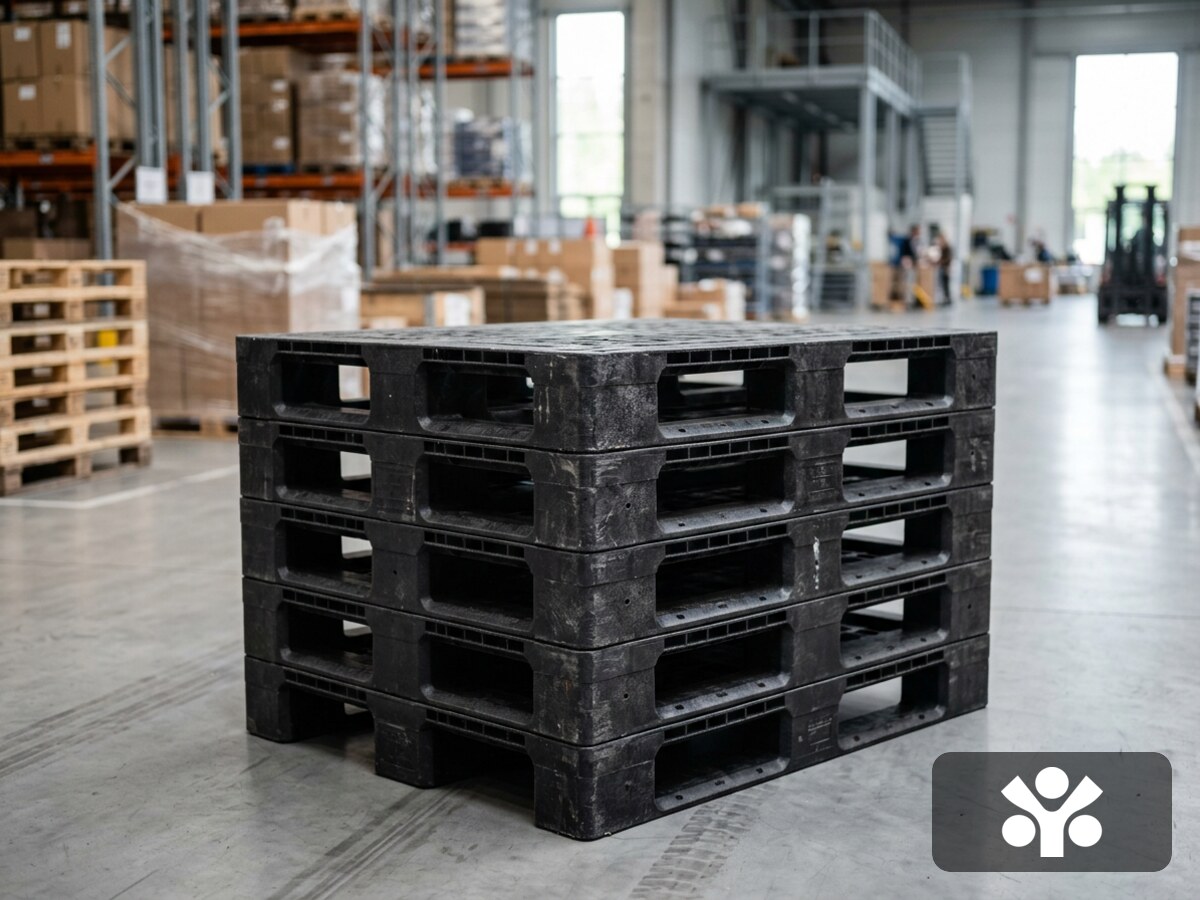
Pallets & boxes
Plastic pallets and boxes positioned on recycled content.
Also validated: thermoformed sheet and board, light insulation foam, and a recycled percentage blended into your existing PP/PE compound.
The world's leading PolyAl supplier
More than 20,000 tonnes of recycled PolyAl sold in 2026 — the largest volume of certified PolyAl placed on the market by any single supplier.
- No. 1
- PolyAl supplier worldwide
- 20,000+ t
- Sold in 2026
- UNE 53925:2026
- Certified quality
Why manufacturers switch to PolyAl
Performance you can spec, sustainability you can prove.
100% post-consumer recycled
Every pellet starts as post-consumer packaging diverted from landfill or incineration. Real circularity, not greenwashing.
Aluminium reinforcement, naturally
Up to 13% mineral filler from the original packaging adds rigidity and dimensional stability — no extra additives needed.
Certified to UNE 53925:2026
Homogeneous 60-tonne batches with documented technical specs. Plug it into your existing extrusion or injection lines.
Resists cleaning chemicals
Independently tested to UNE 56875:2021 — passes intensive-use specs against bleach, detergents and floor cleaners.
PolyAl vs virgin LDPE and HDPE
PolyAl is an LDPE-dominant recycled polyolefin, so virgin LDPE is its real benchmark. Same processing window, lower cost, 100% post-consumer content.
| PolyAl (recycled) | Virgin LDPE | Virgin HDPE | WPC | Wood | |
|---|---|---|---|---|---|
| Origin | 100% post-consumer | Fossil, virgin | Fossil, virgin | Mixed | Virgin |
| Base polymer | ≈66% LDPE + 18% HDPE + 6% PP + ≈10% Al | 100% LDPE | 100% HDPE | PE + wood flour | — |
| Density (kg/m³) | 950–1050 | 915–935 | 940–965 | 1100–1300 | 400–700 |
| MFI (g/10 min) | 2–4 | 0.3–8 | 0.2–8 | n/a | n/a |
| Stiffness | Higher than LDPE (Al filler) | Low | Medium–high | High | High |
| CO₂ footprint (t CO₂e / t) | ≈0.4 — ≈1.6 avoided | ≈1.8–2.1 | ≈1.7–2.0 | ≈1.2 | Variable |
| Raw-material cost | Below virgin index | Index price | Index price | Higher | Variable |
| Recycled content | 100% PCR, UNE 53925:2026 | 0% | 0% | Partial | 0% |
| Colour freedom | Dark grey + metallic specks | Free | Free | Wood tones | Natural |
| Drop-in on your PE/PP line | Yes — 20–40% blend | Yes | Yes | Needs compounding | No |
| Moisture / chemical resistance | Excellent | Excellent | Excellent | Good / medium | Poor |
| Recyclability | Yes | Yes | Yes | Limited | Limited |
Indicative ranges for comparison: virgin LDPE and HDPE values follow standard grade datasheets, PolyAl values come from independent laboratory testing of homogeneous 60-tonne batches.
Recycled-content rules are now binding
PPWR applies from 12 August 2026 and its Article 7 minima start in 2030: 35% recycled content in most plastic packaging, 65% by 2040. See every target, deadline and document — and the cheapest compliant route.
A single beverage carton needs 500 years to biodegrade. We turn that liability into your next product.
Run the impact calculatorWe don't just sell you material. We bring you the customers.
Every converter that buys PolyAl gets access to our demand programme: we hand over the buyers for the pallets, profiles, crates or urban furniture you produce. And if we don't already have the right customer for you, we invest to go and find them.
Up to €30,000
invested per partner in commercial development — market research, campaigns, trade fairs and specification work — to open new accounts for the parts you make with PolyAl.
- Qualified leads passed to you directly, with volumes, specs and delivery expectations.
- We speak the technical language: your buyer receives the datasheet, the UNE 53925:2026 certificate and the CO₂e figures up front.
- Scope 3 arguments and PCF data are ready to use in your own sales pitch.
- No commission on the parts you sell: our return is the tonnage you keep buying.
Programme available to converters with a supply agreement. Investment level agreed case by case, based on annual volume and market fit.
01We map your capacity
Processes, moulds, tonnage and lead times. We only look for demand you can actually serve profitably.
02We invest in demand generation
Up to €30,000 per partner in market research, targeted campaigns, trade fairs and specification work with brand owners and public buyers.
03We hand over qualified buyers
Introductions with the technical dossier already prepared: spec, certification, recycled content and carbon footprint.
04We grow the account with you
Joint technical support during scale-up, plus stable pellet supply with EU preferential origin (EUR.1) so your price holds.
Built for industry
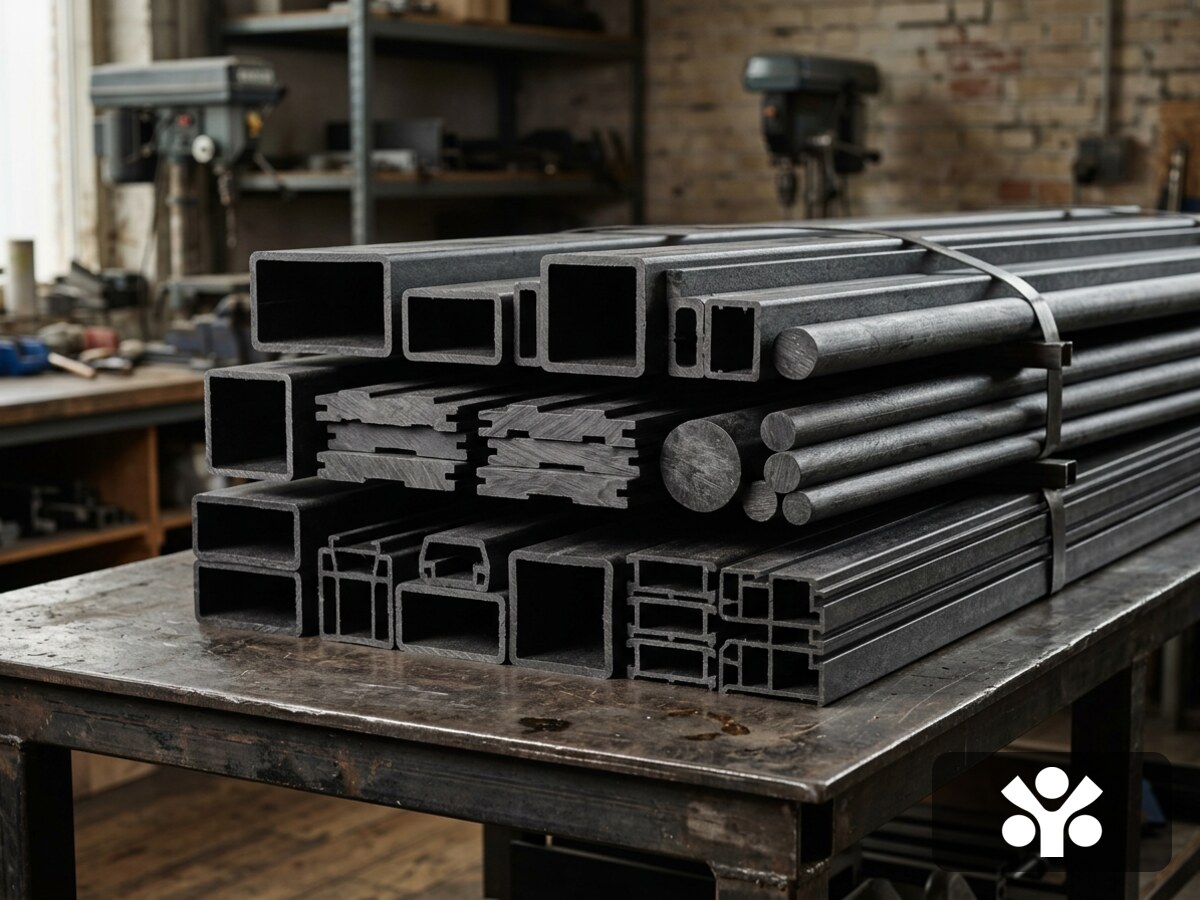
From pallets to profiles. Wherever durable plastics work, PolyAl works better.
Insights from circular manufacturing
Thinking on materials, sustainability and the industries that build with us.
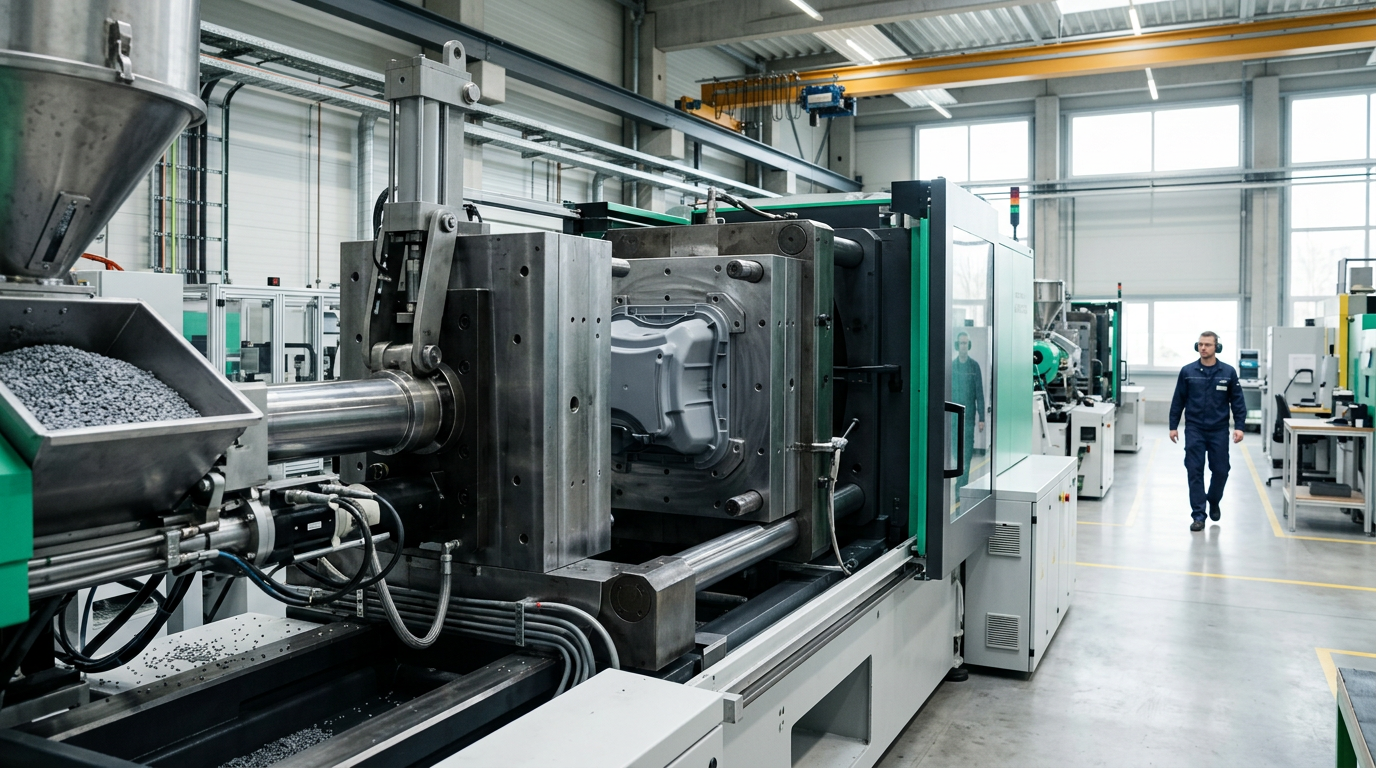
Injection moulding with recycled PolyAl: a process engineer's playbook
Screw geometry, barrel temperatures, holding pressure, mould venting and cycle-time targets when running PolyAl pellets in place of virgin HDPE.
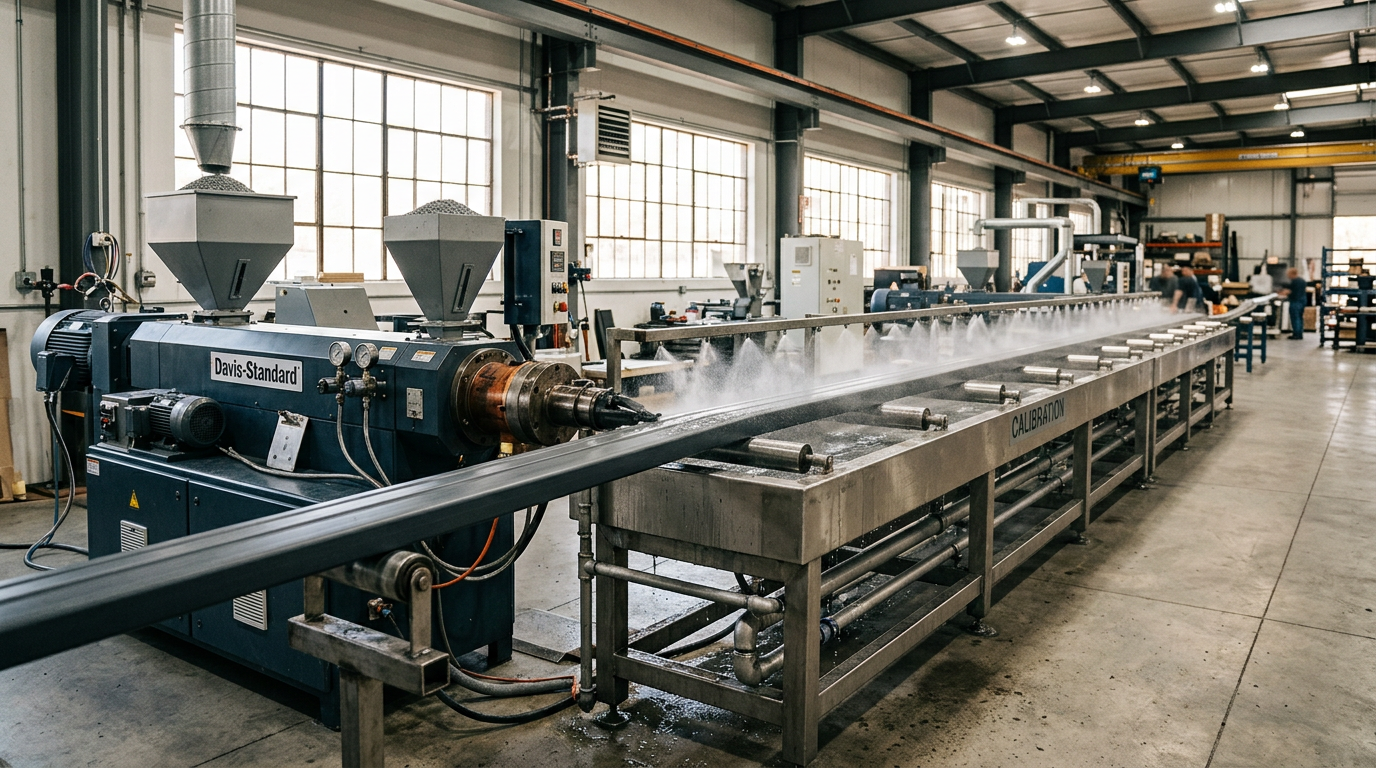
Profile extrusion with PolyAl: dies, calibration and line speed
How to dial-in single-screw extrusion lines for decking, fencing and technical profiles using recycled PolyAl pellets.
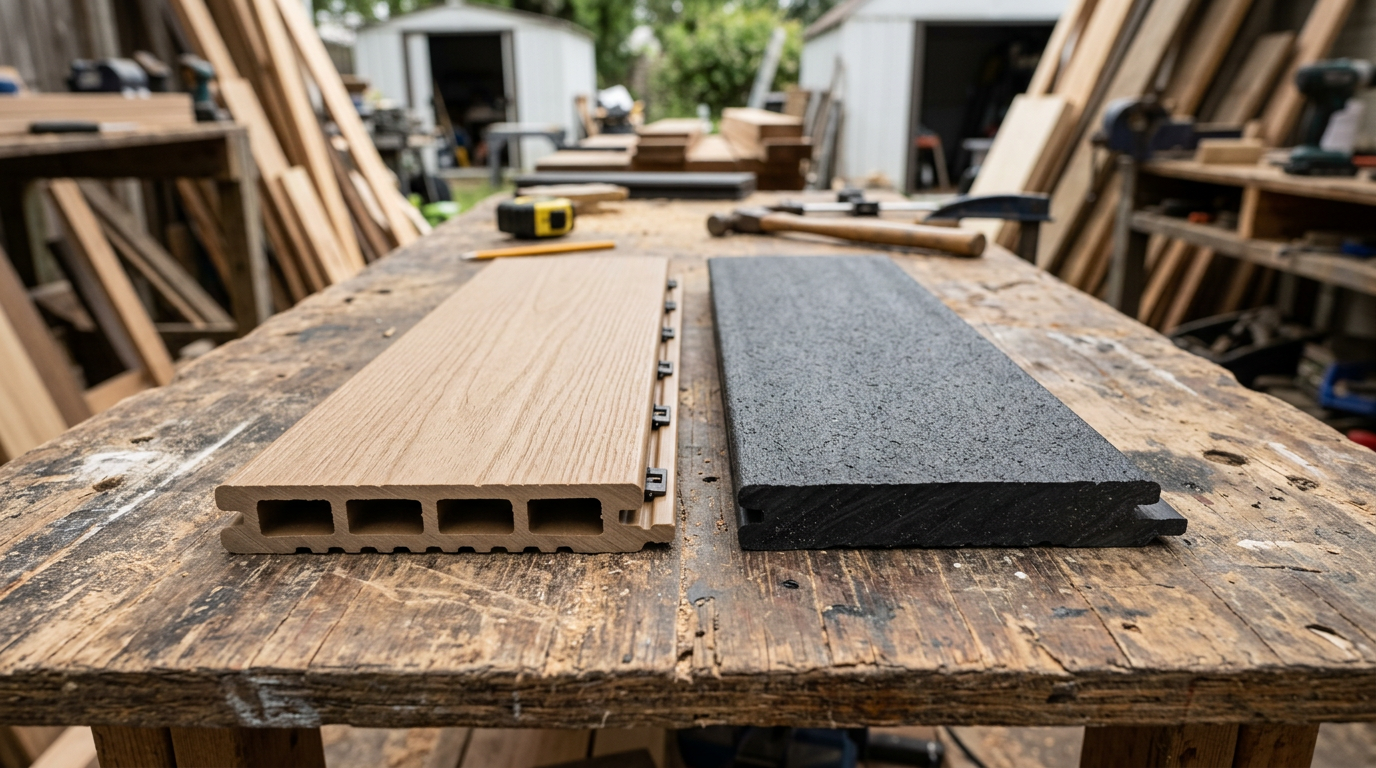
PolyAl decking vs Wood-Plastic Composite (WPC): a side-by-side comparison
Mechanical, thermal, environmental and cost comparison between PolyAl-based decking boards and traditional WPC.
Let's talk volumes
Tell us about your application and target volume. We'll come back with a tailored quote within 48 hours.
Request a quote