
PPWR is here: what recycled content means for pallet makers
The EU Packaging and Packaging Waste Regulation finally has teeth. Here is what changes for industrial pallet manufacturers.
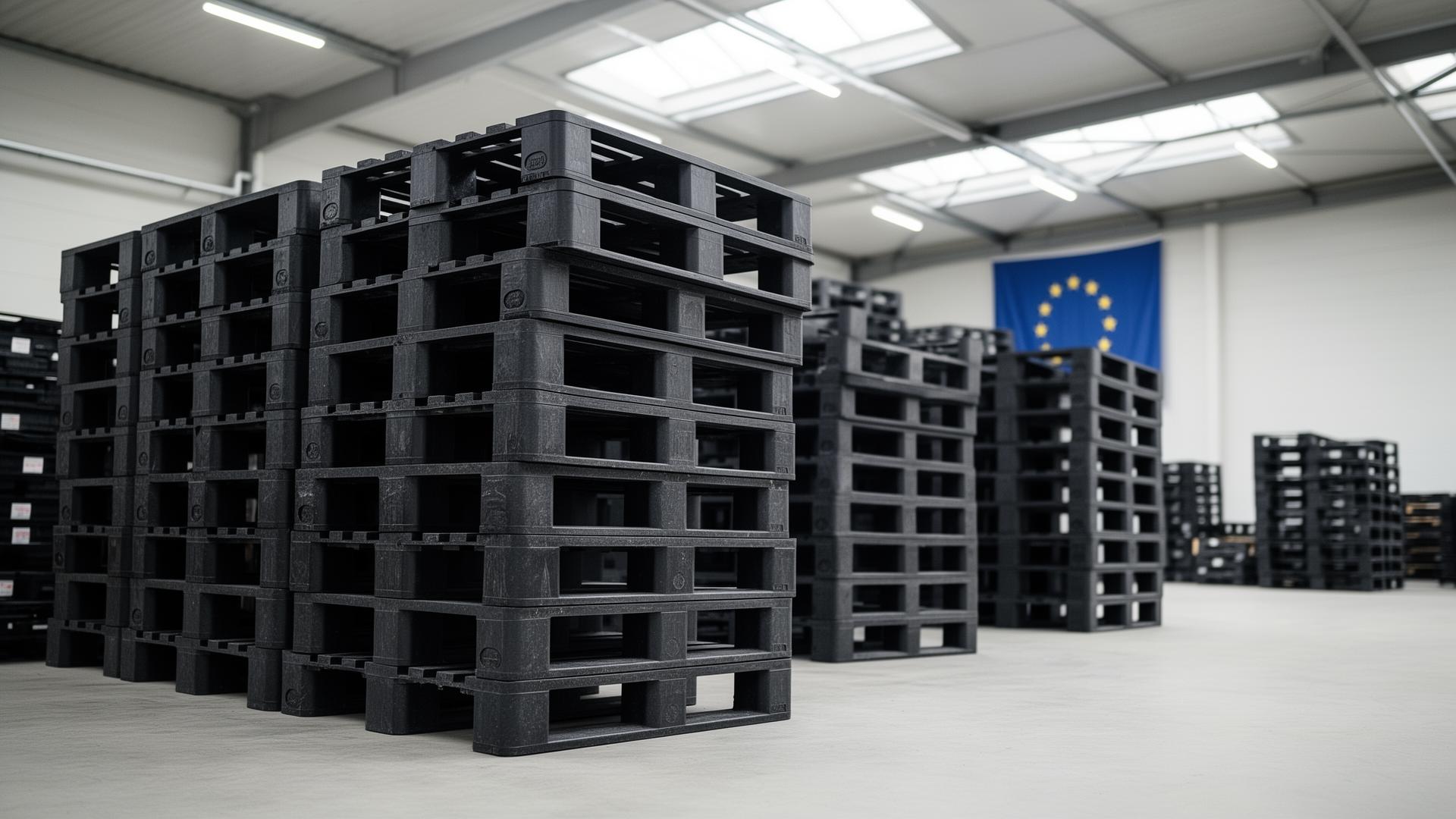
The PPWR (EU 2025/40) replaces the old packaging directive with binding, harmonised rules. For industrial transport packaging — pallets included — the timeline is short and the math is clear.
What the regulation actually demands
From 2030, all packaging placed on the EU market must hit minimum recycled content thresholds. For non-food contact plastic packaging the floor is 35%; for transport packaging used in business-to-business loops it climbs to 65% by 2040. There is no buy-back, no exemption for performance-critical SKUs.
Why pallet makers should pay attention
Most plastic pallets sold in 2026 still use predominantly virgin HDPE or PP. A reformulation cycle takes 18–24 months once you include moulding trials, customer validation and certification. That puts the practical deadline for picking a recycled feedstock around mid-2028.
Why PolyAl fits
Recycled PolyAl pellets are produced following UNE 53925:2026 and arrive in homogeneous 10-tonne batches. The 13% aluminium load adds rigidity that lets you use the same wall thickness as virgin material. From a regulator's point of view, every kilo of PolyAl in your pallet counts as recycled content sourced from a closed industrial loop.
The pallet makers that move first will price their compliance into 2028 contracts. Those that wait will pay it as a margin hit.