
The business case for circular economy in plastic processing
Beyond ESG marketing — why moving to recycled feedstock is becoming a margin and risk decision.
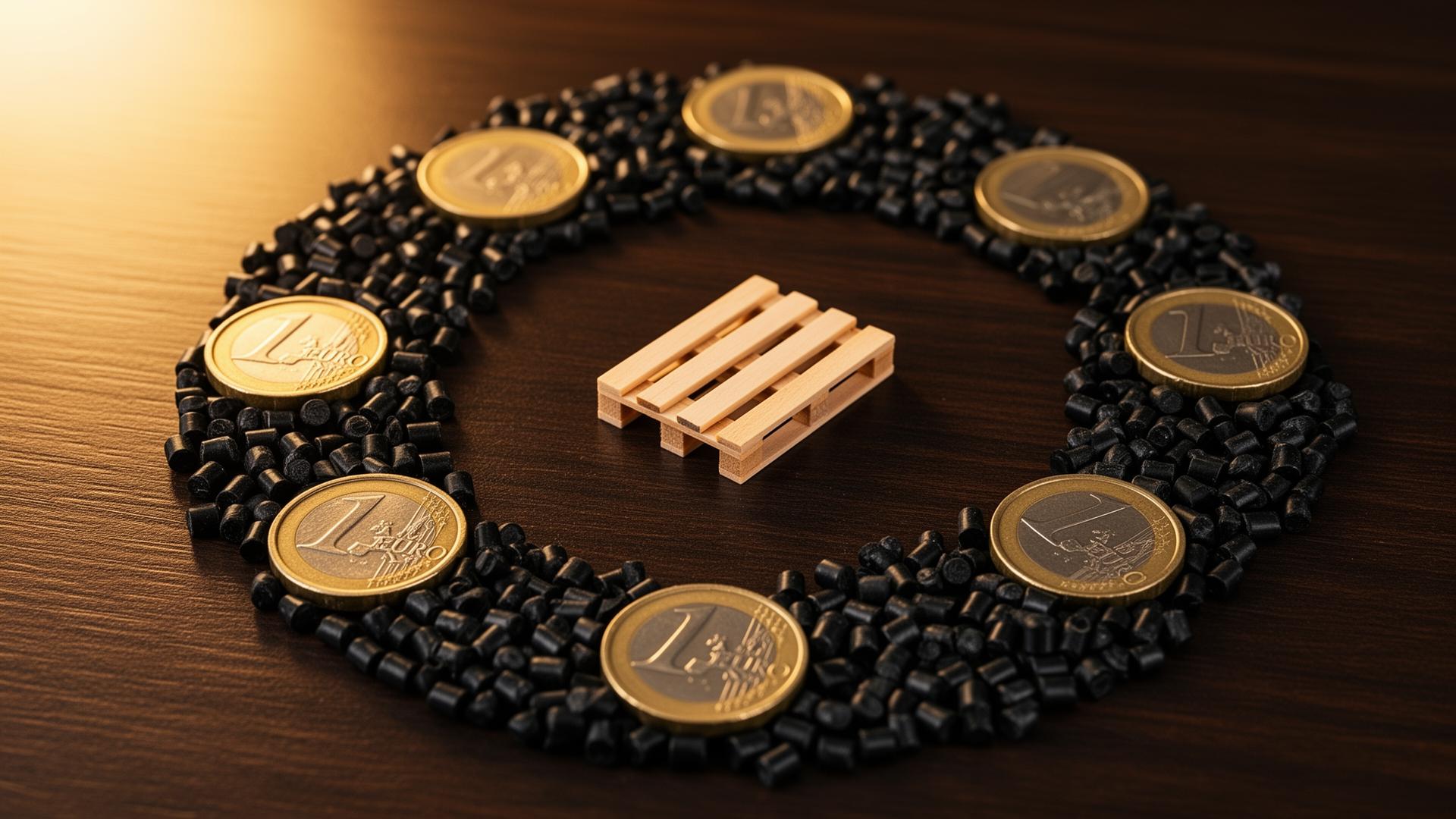
Circular economy was a slogan for a decade. In 2026, it is a CFO conversation.
The price floor argument
Virgin polymer prices track oil. The last five years have seen swings of ±40% inside 18-month windows. Recycled feedstocks priced from waste streams move differently — closer to processing cost than commodity speculation. For a procurement team that hates volatility, that is a feature.
The supply security argument
Virgin HDPE in Europe is increasingly tight as cracker rationalisation continues. Recycled PolyAl supply is bounded by carton consumption (~950 kt/year in Europe), most of which still goes to landfill. The constraint is recycler capacity, not feedstock — and that capacity is expanding.
The customer demand argument
Large OEMs publishing recycled-content commitments cascade them down the supply chain. If you supply automotive, retail logistics or construction, you will be asked. Better to lead than follow.
The capital cost argument
No new equipment needed. PolyAl runs on existing injection and extrusion lines with parameter tuning. Compare that to the capex of switching to bio-based polymers, which often need new machinery.
The numbers
For a typical 5,000 t/year processor, switching 30% of feedstock to PolyAl:
- ~€150k/year in feedstock cost savings (recycled is cheaper)
- ~2,000 t CO₂/year reduced
- One ESG question category fully covered
- Zero capex
The business case is no longer "should we?" but "how fast?"